
Welcome to the Scientific Esthetics Symposium © 2026

SCIENCE. EDUCATION. NO PRODUCT PITCHES.
Advanced, non-product-aligned education for todays' esthetic professional.
join 19 u.s. & international educators - FOR two days of esthetic scientific education.
skin physiology, cosmetic chemistry, INGREDIENTS, devices, the microbiomE, and much more!
attend the lectures that matter most to you-Or attend them all for one registration price.
registrATION- PURCHASE TICKET
- BE SURE TO SCROLL UP AND DOWN THIS PAGE TO READ ALL INFORMATION.
- PLEASE READ IMPORTANT DOCUMENTS BELOW BEFORE YOUR TICKET PURCHASE
- PRIVACY POLICY / CONDITIONS ARE AVAILABLE AT THE VERY BOTTOM OF THIS PAGE
- FACULTY BIOS ARE FEATURED ON THE 2ND PAGE OF THE SYMPOSIUM DROP-DOWN
- Pay via Square or PayPal
GO BEYOND THE "WHAT" - UNDERSTAND THE "WHY"
The Scientific Esthetics Symposium was created for professionals who want to look beyond protocols and product claims and develop a deeper understanding of the science influencing esthetic practice.
Explore current thinking in skin biology, cosmetic chemistry, ingredients, devices, inflammation, the microbiome, aging, regenerative science, oncology esthetics, corneotherapy and more — presented by educators with expertise across a diverse range of scientific and professional disciplines.
no product pitches. no brand agenda. education is the mission.
NOW IN OUR 6TH YEAR!
The Scientific Esthetics Symposium continues its commitment to independent, advanced scientific education for the professional esthetics community.
TWO DAYS. 23 LECTURES. A WORLD OF SCIENCE.
THE TOPICS YOU'LL EXPLORE:
- The GLP-1 & Gut Connection
Understanding the science behind changes occurring in the skin. - Microbiome & Inflammaging
Exploring an evolving frontier in skin health and aging. - Electrophysics & Biochemistry Behind Skin Devices
Go beyond device protocols to understand the science at work. - The Anatomy of Sunscreens
Explore the chemistry, science and myths behind modern sun protection. - Beyond Barrier Repair
Discover corneotherapy as a framework for clinical reasoning. - Longevity & the Science of Skin
Explore emerging molecular thinking in longevity-focused esthetics. - And 17 more expert-led lectures.
YOUR REGISTRATION INCLUDES: ONLINE ACCESS • NOVEMBER 8 & 9
- One registration gives you access to the symposium's complete educational program, with the flexibility to attend the lectures most relevant to you.
- CE Credit Opportunities
- 19 U.S. & International Educators
- Conference Certificate
- Educational PDFs & Downloads**
- 30-Day Access to Recorded Lectures**
**Available to qualifying attendees who attend a minimum of four live symposium lectures
- Educational Diversity - Global Esthetic Perspectives
- ONLINE - Live & Interactive PowerPoint Lectures
- DAY AND EVENING CLASSES - Offering varied time zone attendance opportunities for United States and International attendees.
SPECIAL EXCLUSIVE BONUS**
- WHEN YOU ATTEND FOUR LIVE SYMPOSIUM LECTURES YOU RECEIVE;
- Security clearance for our educational portal
- Additional educational downloads
- PDF's of the Symposium PowerPoint Presentations
- Invitation security access to view the symposium recorded videos in our drive for 30 days.
- COA APPROVED - Opportunity to Receive CE's - Commission on Educational Accreditation
- NCEA Re-Certification: Earn 10 credits when you attend 12 lectures
- For more information on the NCEA, please see the certification section on our website.
2026 theme:progressive clinical insights
TRENDING PERSPECTIVES:
The Elements of Esthetics 2.0 provides insight into future trends and clinical viewpoints in esthetics. As technology increasingly influences all areas of personal care and beauty, our understanding and approaches need to adapt accordingly.
At the core of these developments is a shift from basic, procedure-oriented treatments to a comprehensive, client-focused approach that emphasizes long-term skin wellness and refined, personalized outcomes. This evolving perspective highlights the importance of understanding biological mechanisms and implementing realistic, preventive strategies to maintain skin health and pro-aging strategies.
REGENERATIVE AND BIOSTIMULATORY FOCUS
The shift is moving away from injectables toward boosting the skin’s inherent regenerative abilities through bio-stimulators, stem cell technologies, and skin-boosting treatments. The integration of non- ablative modalities coupled with physiomechanical applications may offer a more sustainable approach to skin regeneration.
THE ANATOMY AND PHYSIOLOGY INTERFACE
The outlook on regenerative aesthetic approaches emphasizes the long-term biological impact of products and modalities on tissue structure rather than immediate gratification. Advances in medicine and a greater understanding of systemic modifications associated with aging are driving a shift toward early-onset prevention through biological support rather than late-stage corrections. Understanding the intricacies of facial anatomy, cells, and systems are hallmark factors in choosing treatments, modalities, and products.
DYNAMIC SKIN ASSESSMENT, CORNEOTHERAPY & DERMAL & CELLULAR biology
The implementation of advanced skin assessment and in-depth evaluation metrics to determine morphological and functional conditions to support skin quality and preventive measures. Understanding of cutaneous cellular signaling, including neurocutaneous aspects, and the microbiome.
PSYCHOSOCIAL, HEALTH AND PRACTITIONER ALIGMENT
The endorsement of "safe" approaches to beauty, which prioritize anatomical, proportional, and subtle enhancement, avoiding the “overdone” look. Inclusivity of service offerings to serve the health landscape and age groups. The alignment and integration of functional and medical practitioners in the quest for healthful beauty.
COLLABORATIVE CUSTOMIZATION
The transitional perspective from "menu-based" esthetic procedures to creating tailored, long-term plans with the client, acting as a "curator" of their skin health, not just a service provider.
YOUR HOST, SES FOUNDER AND EXECUTIVE PRODUCER

WELCOME TO THE SCIENTIFIC ESTHETICS SYMPOSIUM
The SES is the leading global, non-product-aligned, online educational conference now in its sixth year - devoted exclusively to scientific academics and advanced esthetic topics.
The Scientific Esthetics Symposium is presented to the esthetic community as an offering to foster an educational consortium. Our core vision acknowledges that change is necessary and that growth - is worth pursuing.
The necessity for higher learning in esthetics is foundational for our industry's alignment with evolving advancements across the fields. of esthetic sciences, and practices and in unison with the clinical and medical community.
"The whole purpose of education is to turn mirrors into windows."
Sidney. J. Harris
OUR HISTORY
Since the inception of the Scientific Esthetics Symposium in 2021, our mission has been to provide estheticians with a higher-education online platform focused on academics and science. Our ethos is to provide well-researched, non-traditional, and thought-provoking information to our community. While the overall theme of the symposium changes each year, our focus remains on non-product-aligned higher education. The ellipses featured on our icon represent chemistry, health, wellness, ethics, dermal sciences, philosophy, and electrophysiology. We also seek to symbolize the unification of ethics, professionalism, and knowledge, representing the exemplary esthetic professional.
OUR FACULTY
The Scientific Esthetics Symposium platform brings together an all-star assemblage of the most notable and respected professionals in the global esthetic industry. Our goal is to unite estheticians with top-notch global educators at a single event. Our vetted faculty consists of experienced educators and professionals who are passionate about their fields and committed to providing the best possible education to our attendees. We carefully select our faculty members based on their expertise, teaching experience, and dedication to their craft. Our faculty members are not only experts in their fields but also caring mentors who provide personalized guidance to our community.
DR. ERIN MADIGAN-FLECK
Is an educational icon with over four decades of expertise in dermatological skin sciences, holistic & integrative esthetics, and natural health.
She is a licensed master cosmetologist-esthetician, esthetic instructor, dermatology tech, and is a naturopathic physician. She serves on the Educational Board for the International Association of Applied Corneotherapy based in Germany, and as an advisory board member for Skin Inc. Magazine.
Her passion for the esthetic industry is centered at the heart of education, academia, and research. As a licensed esthetic instructor, she has taught at esthetic schools for over 35 years and has developed fully accredited curriculum programs educating thousands of estheticians, massage therapists, cosmetologists and medical professionals at schools, trade shows, institutes, and magazine articles.
Dr. Erin has earned wide recognition as a visionary and an early pioneer by integrating esthetics, natural health, and functional nutrition long before holistic esthetics gained its trending popularity. In 2003, Les Nouvelles Esthetique Magazine published her work: "The Whole Picture on Holistic Esthetics” and “Back to Nature -The Healing Power of Naturopathy”. Her groundbreaking presentation: “Nutritional Influences on Skin Disorders” drew high acclaim at the International Congress of Esthetics in 2004, introducing functional nutritional concepts and skin health to the esthetic industry. In 2014, she developed and presented the first Holistic & Integrative Esthetics 5- day certification training course for United States estheticians. Dr. Madigan-Fleck received her Naturopathic Doctoral Degree from the University of Arts, Sciences and Technology Medical School - Magna Cum Laude, and was nominated by the Naturopathic department at USAT for the Hippocrates Award for Community Outreach & Literary Education of Naturopathic Medicine in 2014.
Her passion for higher education includes a high benchmark to raise the consciousness of esthetic academia and quality in education. Her commitment to providing higher education to the esthetic community represents an unwavering dedication with the hope to foster the esthetic industry's prosperity for years to come.
SPECIAL GUEST EDUCATOR

VINCE SPiNNATO
THE COUTURE COSMETIC CHEMIST (TM)
After studying chemistry and international business at Dickinson College, Vince Spinnato completed a two-year apprenticeship in cosmetic chemistry, gaining expertise in retail and manufacturing. As a natural entrepreneur, he is the President and CEO of TurnKey Beauty, Inc., VS Vincenzo Ltd, Inc., Aegean Skincare LLC, and Vincenzo Skincare LLC. For over 30 years, Spinnato has developed hundreds of beauty and personal care formulas across skin and hair care, bath & body, color cosmetics, and fine fragrances. His in-house R&D lab allows him to operate an integrated luxury health and beauty company. His skill in evaluating ingredient and raw material effectiveness has fueled his pursuit of premium ingredients, leading to numerous product innovations and collaborations with leading cosmetic and healthcare brands. Throughout his career, he has contributed to the development of many formulations and maintains an in-house lab for full innovation and testing. Recognized for his meticulous focus on ingredient performance, he has been involved in major product launches and partnerships with industry leaders such as Chanel, The Limited Brands (Victoria’s Secret, Bath & Body Works), Gap/Banana Republic, P&G, Johnson & Johnson, Trader Joe’s, Whole Foods, Ole Henriksen, and renowned clients like Jennifer Lopez, Victoria Beckham, Michael Jordan, Jessica Simpson, and Joss Stone.
GLOBAL EDUCATIONAL AMBASSADOR
Each year, the SES selects an Educational Ambassador, an outstanding esthetic professional who embodies the ideals and successes that esthetic professionals strive to attain throughout their careers. Our ambassador represents the core values of the SES and has consistently demonstrated dedication to advancing esthetic education, excelling in both the public and professional arenas by owning a successful practice and training consultancy.
The SES Educational Ambassador demonstrates a commitment to the future of the esthetic industry through writing articles and serving on multiple global educational platforms, sharing their knowledge and expertise.
GLOBAL EDUCATOR AMBASSADOR 2026
TERrI WOJAK LE, NCEA
Terri Wojak is a globally recognized educator, author, consultant, and speaker with more than 30 years of experience in the esthetics industry. As the founder of Aesthetics Exposed Education, she has dedicated her career to advancing esthetic education and helping professionals bridge the gap between traditional esthetics and advanced medical esthetics. Terri has created hundreds of training programs and authored more than 150 industry articles. She has trained thousands of professionals, offering innovative, evidence-based training that enables estheticians to improve outcomes, expand their skills, and build successful careers. Ms. Wojak is the best-selling author of Aesthetics Exposed: Mastering Skin Care in a Medical Setting & Beyond and Mastering Medical Esthetics, a No. 1 best-selling skincare book on Amazon. Through her books, educational programs, articles, and live presentations, she has trained thousands of estheticians and medical professionals worldwide. A sought-after national and international speaker, Terri regularly presents at industry conferences, medical aesthetic events, and professional education programs. Her passion is empowering skin care professionals with evidence-based knowledge, critical-thinking skills, and the confidence to develop successful careers. She continues to inspire and educate the next generation of skincare professionals while remaining committed to raising standards within the aesthetics industry.
PHILAnthropy award 2026
KRIS CAMPBELL LE, CEO
Kris Campbell is a licensed esthetician, entrepreneur, and philanthropist. She is widely acknowledged as an expert in treating and nourishing sensitive skin and related issues. With degrees in Supply Chain Management and Retail Merchandising, she earned her esthetician license in 2002. Kris served for ten years as Special Projects Manager and Director of Sales at the FDA. She saw the need for high-quality skincare for sensitive skin and co-owned a skincare brand that focused on oncology cosmeceuticals and esthetics.
Kris is highly regarded in the professional skincare community and has authored articles for prominent trade publications such as SkinInc, Lipgloss + Aftershave, Dermascope, Skin Deep, Les Nouvelles, NASNPRO, and the former Day Spa Magazine. As an authority on sensitive skin, she has spoken at major events like The International Esthetics, Cosmetics and Spa Conference, The International Congress of Esthetics and Spa, Professional Beauty Association, Lipgloss + Aftershave, NASNPRO, and the Esthetician Connection. A skincare ingredients enthusiast, Kris is passionately committed to her profession.
Kris actively engages in philanthropy through collaborations with Oncology Training International and Look Feel Fab, supporting hospital programs such as Rush Copley and Virginia Piper Cancer Center. Her passion for skincare fuels her dedication to the esthetic community and followers. She provides continual advanced training for students and estheticians as a mentor, helping many advance their careers. Her well-reputed and respected product line, Hale and Hush, is known for its effectiveness on sensitive and compromised skin and is expanding to address more skin conditions.
LEGACY AWARD - EXCELLENCE IN EDUCATION 2026
MORAG CURRIN Skin Therapist-oncology esthetics
Morag Currin, founder of Oncology Training International (OTI), pioneered oncology aesthetics training to dispel the myth that aestheticians cannot safely serve clients with cancer or other health issues. With over 27 years in the spa industry and 12 years in training management, Currin developed the first Oncology Aesthetics® certification, setting standards in 14 countries, including South Africa.
Her integrative approach emphasizes identity and body connection, embodying compassionate care for estheticians worldwide. In oncology-informed esthetic practice, she is dedicated to providing safe, ethical support for clients with cancer and other health conditions.
Her work combines medical knowledge with esthetic and wellness care, enabling practitioners to operate confidently within their scope. Currin educates on how therapies affect skin, hair, nails, and lymphatic systems, providing practical, evidence-based advice. Her training emphasizes ingredient safety, contraindications, clinical reasoning, and ethics, especially during active treatment and recovery, and addresses the psychological and emotional aspects of appearance changes. She broadens her oncology wellness education through Equine Assisted Learning, fostering self-awareness and resilience. Her efforts promote oncology esthetics as a safe, sustainable profession rooted in evidence, compassion, and respect. She authored key texts, including "Oncology Esthetics: A Practitioner’s Guide" (2009, 2014), "Health-Challenged Skin" (2012), and "Oncology Esthetics" (2020), establishing standards for working with medically compromised individuals and their skin care needs.
NEW FOR SES 2026

THE HORIZON AWARDS - EMERGING EDUCATORS IN THE SPOTLIGHT
Honoring our community's brightest emerging educators for their dedication and professionalism, recognizing their role as models of excellence, acknowledging their efforts to support education, and celebrating their ongoing inspiration to both new and experienced esthetic professionals with intention and grace.
Gez Agolli - DrPH, PhD, MBBS - USA
THE ROOT CAUSE OF CANCER FROM AN INTEGRATIVE ONCOLOGY PERSPECTIVE:
From an integrative oncology perspective, cancer is seldom attributed to a single causative factor. It is recognized as a complex, multifactorial systemic process driven by genetic alterations, sustained inflammation, metabolic disturbances, and environmental influences that accumulate over time. Integrative oncology seeks to treat the individual holistically and emphasizes critical factors involved in disease development and progression. This approach combines conventional medicine with evidence-based complementary therapies and lifestyle modifications for purposes of treatment, prevention, and health promotion. Its methodology adopts a holistic stance, concentrating on the individual rather than solely on the disease. Gez will delineate key factors regarding prevention, management, and care from an integrative viewpoint.
Dr. Yuliya Borzykh PhD - UKRAINE
LONGEVITY TECH: MOLECULAR MOVEMENTS IN LONGEVITY SKINCARE:
Molecular and longevity skincare shift from reactive "anti-aging" to proactive "skinspan" by using cellular repair tech that boosts mitochondrial health, delays cell aging, and maintains skin structure. These products incorporate longevity tech like NMN and NAD for cellular repair, with key ingredients such as acetyl zingerone targeting aging and peptides stimulating collagen. They extend skin vitality, resilience, and repair capacity, reflecting a movement toward emphasizing "healthspan" in wellness. In cosmetics, ingredients must do more than mask aging—they should influence repair, energy, and communication pathways. A new category of longevity cellular repair actives is emerging to support healthier skin over time.
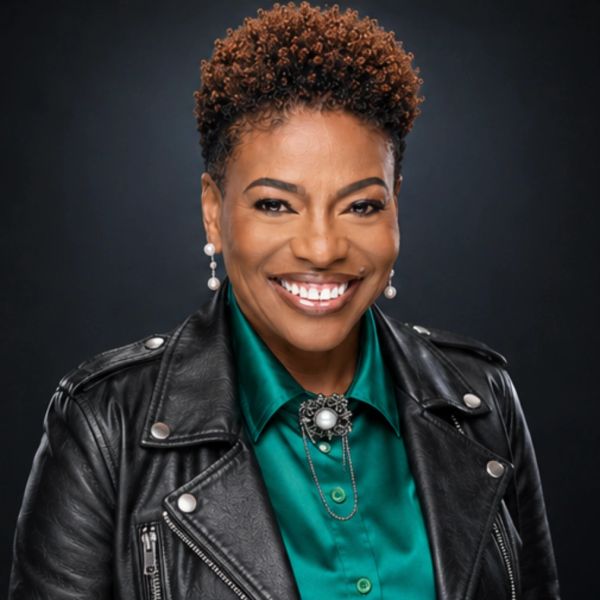
Dr. Sonza Curtis PhD, IFMC,PA-C USA
BEHIND THE SKIN CHANGES: THE GLP-1 & GUT CONNECTION:
GLP-1 receptor agonists (GLP-1RAs) mimic the incretin hormone GLP-1, which intestinal L-cells produce after eating. This hormone plays a key role in regulating blood sugar and appetite. GLP-1 medications stimulate GLP-1 receptors in the pancreas, brain, and gut, leading to increased insulin secretion, decreased glucagon levels, and slower gastric emptying. The result is improved blood sugar control and notable weight loss. The term “GLP-1 face” describes the loss of facial volume and elasticity and is sometimes described as a more youthful appearance that can occur after weight loss. However, the skin changes seen with GLP-1 treatments are mainly due to rapid weight loss and localized fat reduction, and facial changes vary among individuals. One major concern arises when fat pads in the cheeks, temples, and jawline shrink quickly, leaving the skin to appear hollow or sunken. Dr. Sonza will explain the mechanisms of the gut-GLP link and clarify potential skin issues that may occur and their causes.
Kris Campbell LE, CEO - USA
MAST CELL ACTIVATION AND SKIN SYMPTOMS IN ALPHA-GAL SYNDROME :
We are always elated to have the dynamic mother-and-son team, Garrett Campbell and Kris Campbell, present on important scientific topics related to skin, ingredients, and health.
This lecture is highly anticipated, as cases of Alpha-gal are on the rise and are linked to perplexing skin syndromes.
MAST CELL ACTIVATION AND SKIN SYMPTOMS IN ALPHA-GAL SYNDROME: Alpha-Gal syndrome (AGS) is a tick-borne allergy to mammalian meat and dairy, most commonly presenting with skin reactions such as hives, angioedema, and itching hours after exposure. It results from the bite of the lone star tick, which introduces alpha-gal—a sugar found in mammals—into the body. Individuals with AGS may experience severe reactions to foods and products containing alpha-gal, sometimes without prior awareness of the allergy. Reactions can also occur from trace amounts in ingredients such as gelatin, glycerin, carrageenan, and animal-derived substances in personal care products, including tallow, lanolin, soaps, and moisturizers. Join Kris and Garrett for this enlightening discussion of the mechanisms underlying Alpha-Gal syndrome and the concerns related to cosmetic and skincare ingredients that all estheticians should be aware of.
Garrett Campbell, RAI Clinical & Product R&D Specialist USA
MAST CELL ACTIVATION AND SKIN SYMPTOMS IN ALPHA-GAL SYNDROME - Team lecture with Kris Campbell
Morag Currin-Oncology Esthetics CANADA
THE FACE OF CANCER: HEAD AND NECK ONCOLOGYSIDE EFFECTS AND THE ESTHETICIANS ROLE:
Head and neck cancers affect some of the most complex and visible anatomy in the human body — and the consequences of treatment are profound, long-lasting, and deeply personal. This session provides oncology estheticians with a thorough grounding in the structures at risk, the treatments used, and the layered physical and psychological impact on clients who live with the aftermath long after active treatment ends. Beginning with a review of relevant head and neck anatomy — including muscles, nerves, salivary glands, lymphatic pathways, and the structures of the oral cavity, pharynx, and larynx — participants will build a clear picture of what is at stake when cancer arises in this region. Risk factors, including tobacco, alcohol, HPV, and occupational exposures, are examined in the context of who sits in the treatment chair.Treatment options — surgery, radiation, chemotherapy, and targeted therapies — are explored not only as medical interventions but also as sources of significant, ongoing side effects. Participants will gain working knowledge of the physical consequences their clients carry: fibrosis and scar tissue, trismus, nerve damage, lymphedema, dry mouth, dysphagia, and changes to skin, hair, and tissue integrity in the treatment field. Particular attention is given to head and neck lymphedema — one of the most underrecognized and undertreated complications of this cancer type. Both internal and external lymphedema presentations are addressed, including prevalence data and the esthetician's role in recognition, referral, and safe practice. The session closes with the psychological dimension: the visible, identity-altering nature of head and neck cancer and its treatment, and what it means for the client who arrives in your treatment room

Harry Fallick D.O. USA
ANATOMY OF SUNSCREENS: THE CHEMISTRY AND MYTHS OF MODERN SUN PROTECTION:
Over time, sunscreens have progressed from simple OTC beach products meant to prevent sunburn to sophisticated skincare formulations that also defend against long-term damage from chronic sun exposure, including HEV. Excessive UV radiation remains the leading preventable cause of skin cancer, causing over 90% of non-melanoma and melanoma cases in the U.S. It's crucial to look beyond marketing labels to understand how these products protect cellular DNA and prevent skin diseases. Knowing the different effects of UVA (mainly responsible for photoaging and immunosuppression) and UVB (the main cause of sunburns and skin cancer) is essential. This lecture will explore mechanisms of protection (chemical and mineral/physical agents), clarify the SPF concept, and review recently approved SPF ingredients available on the market
Dr. Elena Hernandez -Jimenez PhD ISRAEL
MICROBIOME: A NEW LEVER IN THE FIGHT AGAINST INFLAMMAGING:
Chronic, low-grade systemic inflammation that persists undetected for years is a key driver of age-related changes and serious pathologies. The link between systemic inflammation and aging is so profound that it has earned the term "inflammaging."
The lecture will begin by examining the fundamental biological basis of this process. We will explore how the human microbiome interacts with the immune system and serves as an effective "lever" for controlling inflammation. In the practical segment, we will discuss three popular nutraceuticals and their impact on the gut microbiota and on the prevention of chronic systemic inflammation: ingestible collagen, hyaluronic acid, and hydrogen water.
EXPLORING TRANEXAMIC ACID IN TOPICAL CARE: MECHANISMS OF ACTION AND ESTHETIC POTENTIAL:
Tranexamic acid is a well-established systemic hemostatic agent that has recently gained significant traction in cosmetic dermatology and skincare practice. We will begin by discussing the nature of tranexamic acid and its mechanism of action as a pharmaceutical drug, providing a foundation for understanding its rapidly evolving role in topical skincare. This approach will allow us to bridge the gap between classical pharmacology and the molecule’s performance when applied locally.
Special attention will be given to the mechanisms of topical action, its influence on key physiological processes in the skin, and the specific clinical challenges it addresses today. We will discuss why this ingredient has become one of the most compelling and promising tools in aesthetic medicine, providing a scientific rationale for its use in anti-aging programs and the management of various dermatological and aesthetic skin concerns.
Pia Kynoch ND - AUSTRALIA
THE SCIENCE BEYOND THE SURFACE - THE EMERGING SCIENCE OF MITOCHONDRIA, LIGHT AN D TISSUE INTELLIGENCE:
Modern aesthetic medicine has become increasingly sophisticated in how we stimulate, resurface and repair the skin — yet many practitioners are still missing the deeper biology governing tissue resilience, inflammation, healing, and regeneration.
This cutting-edge session explores the emerging intersection between mitochondria, vitamin D signalling, circadian biology, deuterium metabolism and cellular repair. Discover how light, metabolic function, protein integrity and bioenergetics may influence skin ageing, treatment response, inflammation and even cancer-related tissue changes.
Dr. Mark Lees PhD, MS, LE - USA
THE ACNE PREPARATION PRIMER: A GUIDE TO UNDERSTANDING THE MOST EFFECTIVE CLINICAL ACNE COMPOUNDS:
Acne vulgaris remains a common condition affecting people of all ages, though it primarily affects adolescents and young adults. It presents with multiple lesion types, and its development involves a complex interplay of genetic, hormonal, microbial, and inflammatory factors. Topical treatments include retinoids, benzoyl peroxide, antibiotics, and other specialized agents. For moderate-to-severe cases, systemic therapies such as antibiotics, hormonal treatments, and retinoids are particularly effective. Investigational therapies such as biologics, bacteriophages, probiotics, and peptides show promise as future treatment options. Dermatologists now view acne as a chronic inflammatory disease, focusing on preserving the skin barrier and using combination treatments that target excess sebum, keratin buildup, bacteria (C. acnes), and inflammation. New strategies involve combination therapies—multi-ingredient formulations designed to improve patient adherence and address multiple disease pathways. This presentation discusses current treatment standards, new compounds, and innovations targeting the diverse aspects of acne vulgaris.
Dr. Jayant Lokhande MD, MBA, CSO USA
MEDICALIZATION OF BEAUTY THROUGH BOTANICAL DRUG PRODUCTS IN CHRONIC DERMATOLOGICAL DISEASES:
The medicalization of beauty reflects a growing trend among consumers and clinicians, in which treating chronic dermatological conditions such as psoriasis, atopic dermatitis, and melasma now often combines therapeutic efficacy with aesthetic enhancement. Botanical pharmaceutical products are gaining prominence, evolving from traditional folk remedies into FDA-approved therapies backed by clinical evidence. Rather than relying exclusively on unregulated cosmeceuticals, dermatology increasingly uses rigorously standardized botanical extracts to address symptoms and enhance appearance. These botanical drugs are distinguished by their complex chemical compositions, which enable them to target multiple biological pathways simultaneously, thereby conferring antioxidant, anti-inflammatory, and barrier-repair benefits.
Franck Joly LAc, MTOM Dipl. OM USA
FROM MERIDIAN TO MATRIX - EASTERN AND WESTERN SKIN REGENERATION TECHNIQUES:
Emerging trends in dermatological science increasingly emphasize regenerative therapies and more significantly, the integration of diverse modalities and techniques. Join Franck Joly, a specialist in cosmetic acupuncture trained in Europe, for an enlightening presentation examining the innovative convergence of Eastern medical practices and sophisticated Western aesthetic methodologies. With extensive expertise in both cosmetic and medical acupuncture. Franck is dedicated to sharing his professional expertise and practical method in integrative aesthetic medicine, providing attendees with a sophisticated perspective on the convergence of science, wellness, and beauty. He systematically integrates traditional acupuncture with advanced therapies, such as Percutaneous Collagen Induction Therapy (CIT), medical-grade microneedling, cosmetic acupuncture, and red light therapy. This presentation emphasizes innovative regenerative skincare techniques and illustrates how these modalities collaboratively stimulate collagen production, facilitate skin rejuvenation, and promote healthier, more luminous skin.
Dr. Erin Madigan-Fleck NMD, LE, LEI - USA
DRIVING FORCES: EXAMINING THE ELECTROPHYSICS & BIOCHEMISTRY BEHIND SKIN DEVICES:
The increasing emphasis on devices within the esthetics industry reflects both technological advancement and heightened client expectations, fueled by a more informed wellness culture. Today’s clients are increasingly familiar with tools and modalities, seek thoughtful integration of technology, and favor approaches that support long-term skin health. Increased device use has helped advance a more preventive, integrative approach to facial care. Rather than replacing traditional esthetic treatments, technology can enhance and extend them, optimizing outcomes through thoughtful combinations of noninvasive modalities.
As advanced technologies become increasingly integrated into facial treatments, knowing which device to use, when to use it, and how to combine modalities effectively requires more than familiarity with protocols. It requires an understanding of the energy forms, instrument dynamics, tissue interactions, and technological distinctions that govern device performance.
Driving Forces examines the electrophysics underlying today’s aesthetic technologies—how energy is generated, delivered, transferred, and ultimately interacts with tissue. Moving beyond device settings and protocol alone, this lecture emphasizes the principles that inform safe, deliberate, and synergistic treatment strategies. Understanding these mechanisms provides a deeper appreciation not only of how our devices operate, but why they produce the clinical effects we observe.
The session will dissect the science and application of some of today’s most sought-after technologies, including microcurrent, radiofrequency, microneedling, ultrasound, and LED, providing a framework for understanding their individual roles and their potential within an integrated esthetic practice.
ALTERED STATES: THE PATHOBIOLOGY OF THE SKIN IN DISTRESS: AUTOIMMUNE & INFLAMMATORY SIGNALING:
The human integumentary system acts as a physical barrier and supports immune defense. Systemic autoimmune diseases disrupt self-tolerance and often cause distinct skin disorders. In these conditions, the immune system mistakenly targets self-antigens, causing inflammation, blistering, or pigment loss. Immune dysregulation, especially loss of T-cell self-tolerance, results in attacks on healthy skin cells. This triggers the release of cytokines such as tumor necrosis factor-alpha (TNF-alpha) and interleukins that sustain inflammation. These biochemical changes alter the structure of the epidermis and dermo-epidermal junction. Clinically, they may present as scaling, erythema, blistering, or skin thickening. Disrupted cellular organization damages the basement membrane, promotes chronic inflammation, and weakens the skin’s protective barrier. This presentation explores how cellular disorganization disrupts the basement membrane, initiates chronic inflammatory cascades, and compromises the barrier that professionals are dedicated to protecting. Understanding this cellular framework is essential for esthetic treatment approaches and for safely supporting highly vulnerable clients.
THE FACIAL AND SKIN AGING MATRIX - BIOCHEMICAL MECHANISMS AND STRUCTURAL ALTERATIONS:
Facial and skin aging constitute a complex, multidimensional process influenced by genetics, lifestyle, and time. This process encompasses a variety of structural and biochemical modifications, including physiological transitions, extracellular matrix degradation, cellular senescence, enzymatic activities, and other biological mechanisms. The presentation will explore the fundamental principles and stages that characterize the aging of facial structures and the skin's positioning. Numerous internal and external factors affect cellular activity and contribute to alterations in facial appearance. Science underscores the interconnected roles of environmental, biological, and metabolic factors—such as air pollution, chemical exposure, radiation, pharmaceuticals, nutrient deficiencies, and immune system health—that collectively influence skin aging, glycation, inflammaging, and cellular senescence. This presentation will address several anatomical and physiological modifications, including alterations in skin constituents.
Alison O' Neil - B.S., MH/HS - USA
THE LONGEVITY AESTHETIC: THE MIND SKIN CONNECTION FOR HEALTHY AGING:
This educational presentation explores the connection between longevity, emotional wellness, skin health, and self-image through the principles of Geriatric Aesthetics and Aesthetic Health.
Attendees will learn how aging-related conditions such as Parkinsons disease, Alzheimers disease, Type 2 Diabetes, dementia, stroke recovery, medication side effects, and mobility or sensory changes can impact appearance, communication, confidence, and quality of life. The session emphasizes recognizing visible and behavioral signs of aging conditions, responding appropriately within one’s professional scope and level of proficiency, and understanding when referral to medical, wellness, or caregiving professionals is necessary. Participants will also gain guidance on safer product recommendations, adaptive aesthetic practices, and supportive client communication strategies that promote dignity, safety, wellness, and healthy aging across diverse populations.
Helena Pahava LE, Dermatocosmetologist - USA
THE PROGRESSION OF FACIAL AGING & STRUCTURAL SCIENCES:
Facial aging is a complex, gradual process that involves changes in the skin, fat pads, ligaments, facial muscles, and underlying bones. Advances in structural sciences have shifted aesthetic treatments from merely addressing surface wrinkles to a holistic, biomechanical approach focused on preventing structural collapse. As the skin ages and changes occur, it's clear that various factors and deficiencies contribute to morphological shifts.
This lecture will explore anatomical and physiological transformations in facial skin with age, and examines facial aging from a structural perspective, highlighting how changes in bone, muscle, fascia, circulation, and tissue mobility influence the aging process. With over 33 years of experience working with the face, Helena Pahava will discuss how gentle, anatomy-based manual techniques can promote healthy tissue function and support natural facial rejuvenation. Additionally, she will introduce her system, which integrates esthetic lymphatic drainage, facial massage, and buccal massage to work effectively and respectfully with the face's natural structure.
Rene´ Serbon -Global Corneotherapy Educator - CANADA
BEYOND BARRIER REPAIR: CORNEOTHERAPY as a CLINICAL REASONING FRAMEWORK for the MODERN ESTHETICIAN:
Corneotherapy is often introduced as barrier repair, but in modern clinical practice, it can become something far more powerful: a structured way of thinking. This lecture explores how a corneotherapeutic lens helps aesthetic professionals analyze compromised skin, recognize inflammatory patterns, connect client history with visible presentation, and make more thoughtful, scope-appropriate recommendations. Attendees will learn how to move beyond symptom-based treatment planning and begin using the stratum corneum, barrier function, client history, and pattern recognition as the foundation for stronger professional decision-making.
THE N.I.C.E. SKIN CONNECTION:NEURO-ENDOCRINE-IMMUNE PATHWAYS in FUTURE FOCUSED CORNEOTHERAPY:
The future of corneotherapy requires practitioners to look beyond the surface and understand skin as a dynamic, communicating organ. This lecture explores the Neuro-Endocrine-Immune connection through a practical aesthetic lens, showing how stress, inflammation, barrier function, pigmentation pathways, immune activity, and client lifestyle factors intersect in the treatment room. Attendees will learn how emerging science around the skin-brain-body relationship can inform more thoughtful assessment, client education, and barrier-first support for chronic, reactive, and complex skin presentations.
Vince Spinnato - USA
THE SCIENCE OF SPIN - UNMASKING INGREDIENT FACTS:
Obtaining credible information on the safety and effectiveness of cosmetic ingredients is a major challenge.
- How can we distinguish propaganda, pseudoscience, and marketing strategies that are difficult to verify?
- What methods enable us to gather reliable scientific data on cosmetics, ingredients, and product safety?
- How can we separate fact from fiction and uncover the truths behind common misconceptions about cosmetic ingredients?
We look to one of the industry’s most celebrated cosmetic chemists to help us navigate the complex landscape of cosmetic ingredient information.
Join Vince as he takes us beyond scanning applications and websites to explore non-commercial information. This session aims to dispel myths and offer insights into the current difficulties in interpreting ingredients, how ingredients interact and support overall formulations, and the premise that no single ingredient should be the sole factor influencing a product purchase.
Terri Wojak LE, NCEA USA
EPIGENETICS EVOLVED: HOW LASERS RE- PROGRAM THE SKIN:
The role of lasers in aesthetics is rapidly evolving beyond traditional concepts of thermal injury and collagen stimulation. Emerging research shows that laser treatments influence the skin at a molecular level including modulating epigenetic pathways that control gene expression, inflammation, and regeneration.
This lecture explores how lasers act as epigenetic modulators, impacting DNA methylation, histone modification, and cellular signaling to support long-term skin health and rejuvenation. Attendees will gain a deeper understanding of how these mechanisms contribute to clinical outcomes in common skin conditions such as aging, pigmentation, and scar revision. This session will help providers move beyond traditional thinking and confidently integrate regenerative laser protocols into their treatment plans. Objectives include: Defining epigenetics and its role in skin health and aging, how lasers influence gene expression and regenerative processes, recognize the clinical impact of epigenetic changes in common skin conditions. and apply knowledge to improve treatment outcomes and patient results.
Alexandra Zani LE, LEI USA
IMMUNOMODULATION IN WOUND HEALING -CELLULAR MECHANISMS AND PATHWAYS:
Wound healing is a complex, dynamic process involving multiple cell types that work together through stages to achieve homeostatic remodeling. Immune cells not only monitor skin health but also actively participate in wound repair. Both resident and recruited immune cells release cytokines and growth factors that amplify inflammation and collaborate with non-immune cells to clear pathogens and debris, thereby promoting tissue regeneration. Inappropriate immune responses can cause prolonged inflammation and lead to chronic or slow-healing wounds. Wound healing involves a cascade of biochemical reactions, cellular activities, and the secretion of growth factors and cytokines in response to many types of tissue injury, including burns, skin needling, and surgery. The extracellular matrix plays a vital role by providing a provisional structure, regulating cellular functions, mediating interactions, and serving as a reservoir for cytokines and growth factors. This lecture will guide us through the dynamics of the extracellular matrix, highlight various growth factors, and explain the role the immune system plays in wound healing.